Expedition 01
Sabi Sand
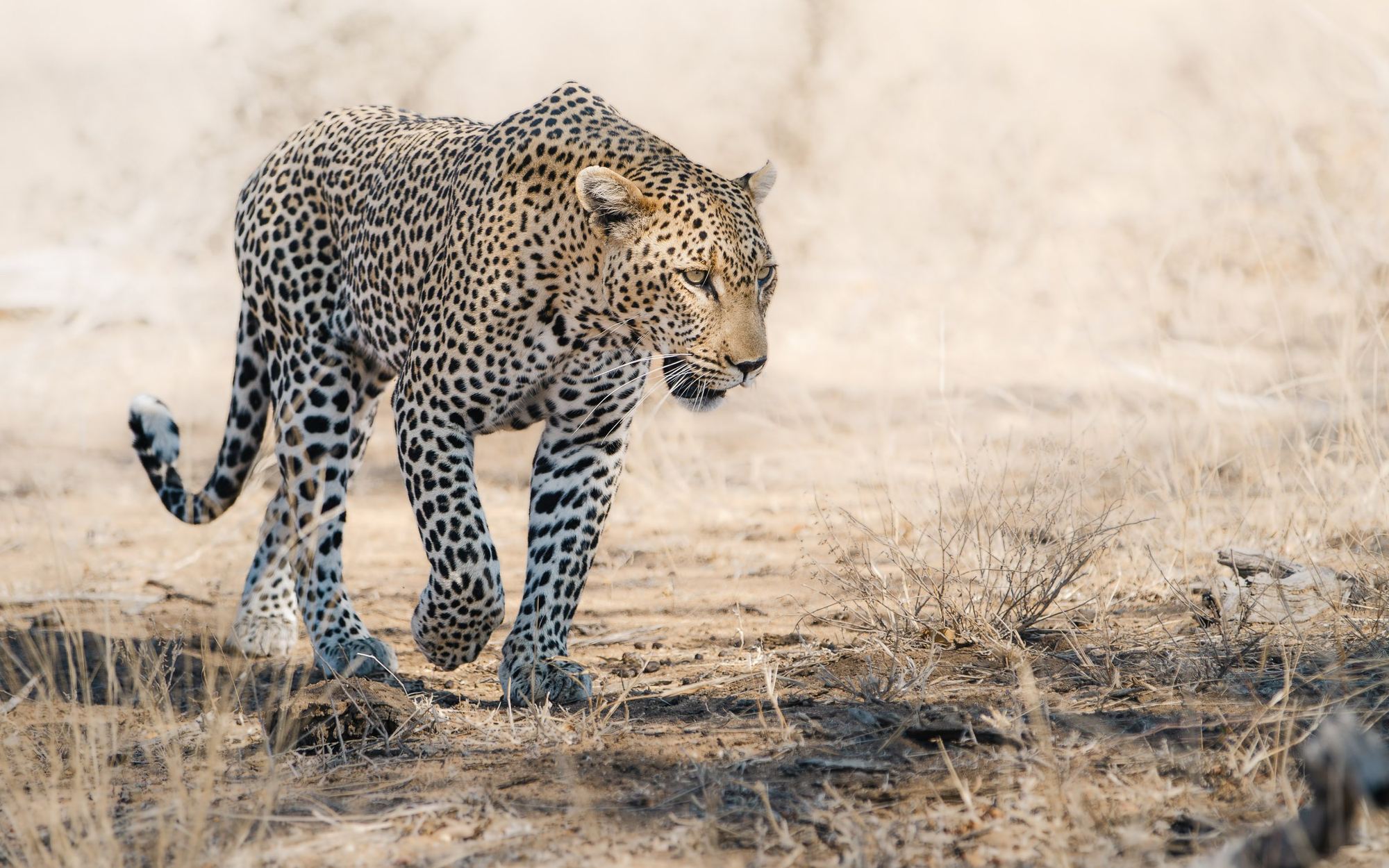
Riverine woodland on the Sand River, with no fence between it and the Kruger. Leopards use the riverbanks to hunt, rest and cross, and the private reserves here keep vehicle numbers at a sighting low.
Destinations
Five regions where vehicles are few, camps are small and sightings feel intimate.
How we choose
We visit every region before we send guests there, and we ask the same questions each time.
How many vehicles gather at a sighting?
How long can you stay?
How many beds does the camp have?
How good are its guides?
And what does the camp put back into conservation and the communities around it?
A region joins an expedition only when the answers satisfy us. Until then it stays on the map as in planning.
Riverine woodland on the Sand River, with no fence between it and the Kruger. Leopards use the riverbanks to hunt, rest and cross, and the private reserves here keep vehicle numbers at a sighting low.
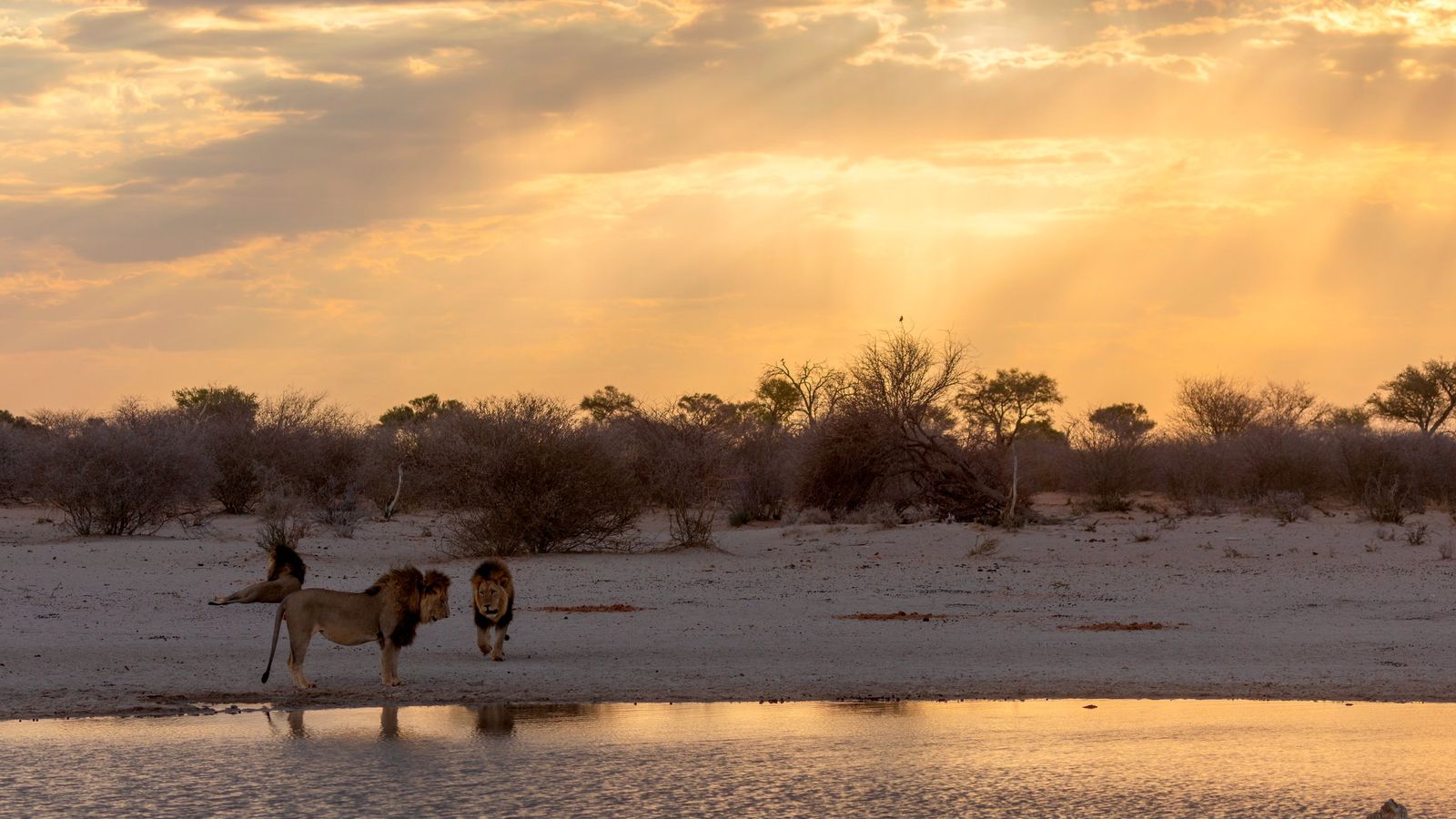
Grassland, camelthorn and fossil pans near the Botswana border, in one of the largest private reserves in the country. Black-maned lions, cheetah and brown hyena, with meerkats and Cape foxes for the smaller hours. Malaria-free.
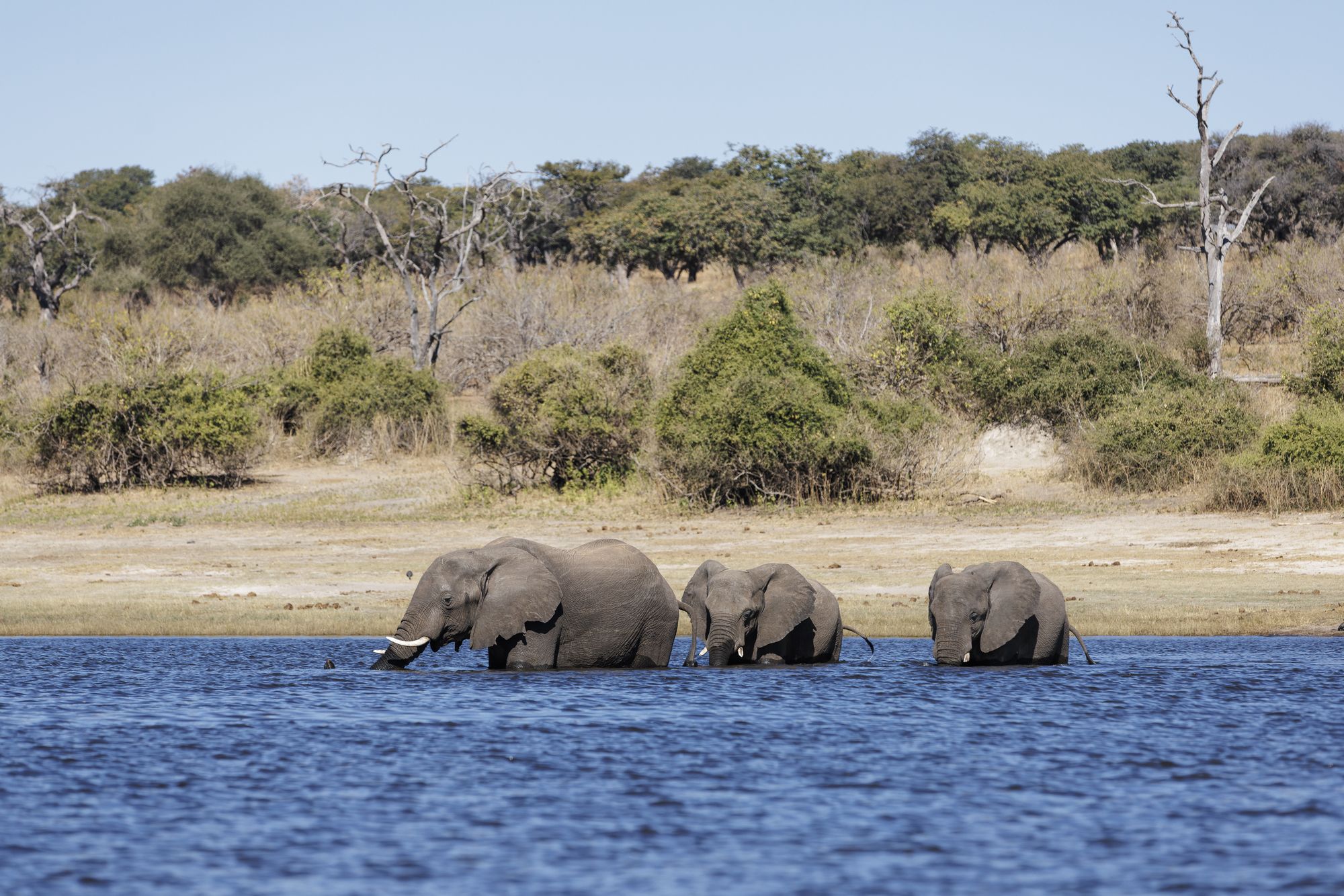
A river that runs into the Kalahari and never reaches the sea, spreading into channels, floodplains and palm islands. Wild dog, lion and elephant country, best explored slowly, by vehicle and by mokoro.
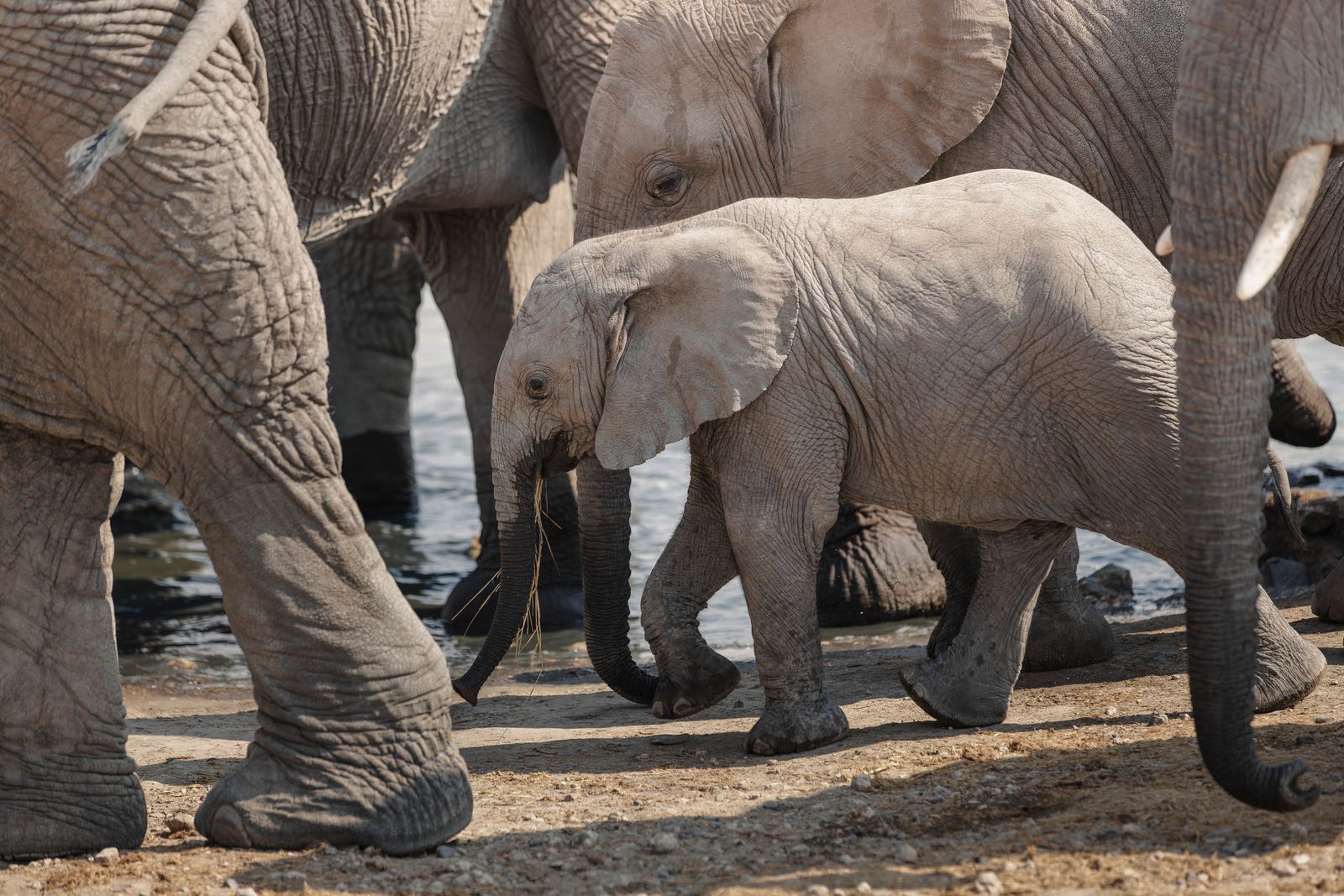
Mana means “four” in Shona, after the four large pools the Zambezi leaves on its floodplain. Known for walking safaris, wild dog, and elephants among the winterthorn trees.
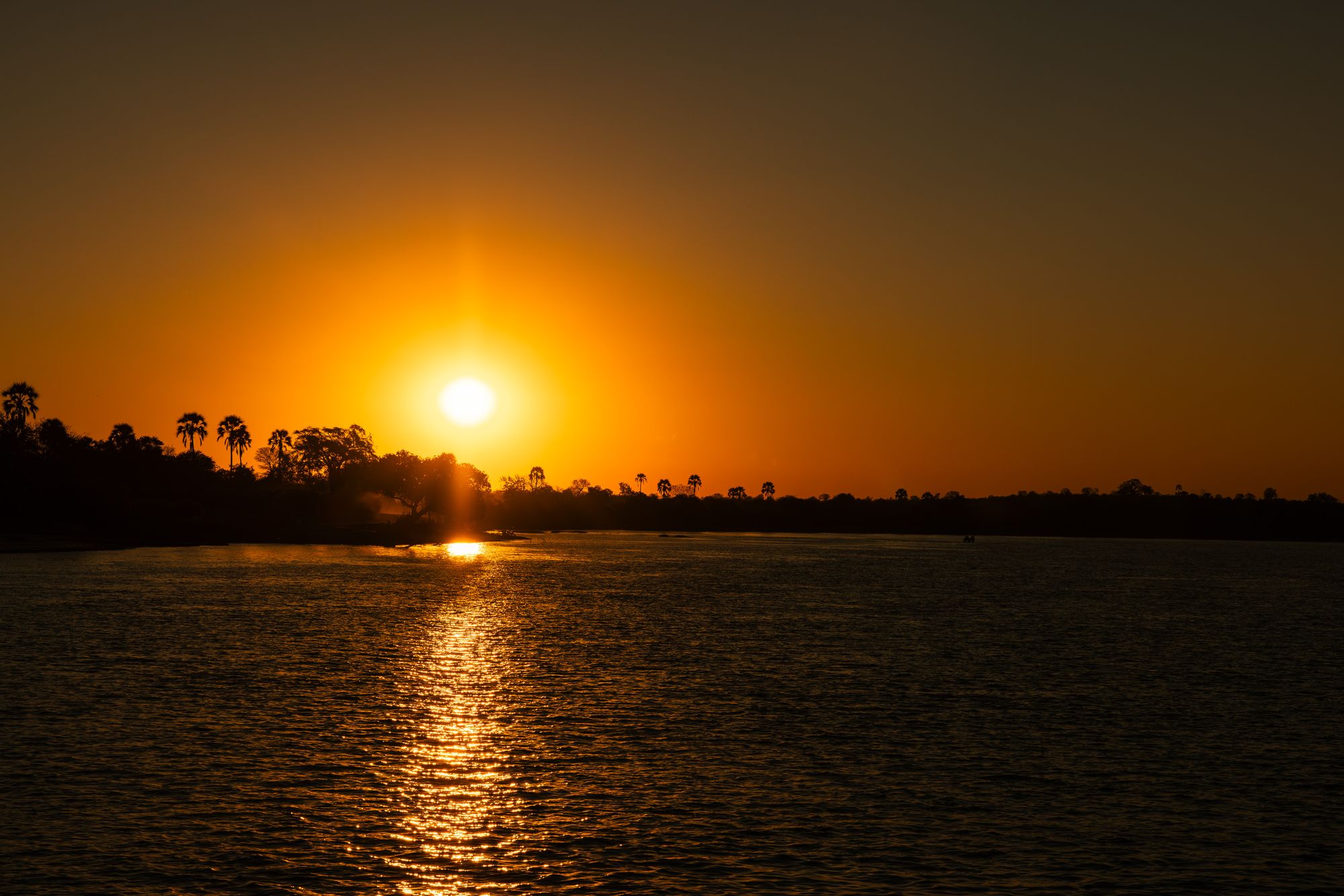
The Zambian bank of the same river, facing Mana Pools across the water. Canoe past hippo pods, watch elephants cross between islands, and spend long afternoons on the water.
Tell us. If it passes our test, we will design a journey around it.