MalaMala Camp
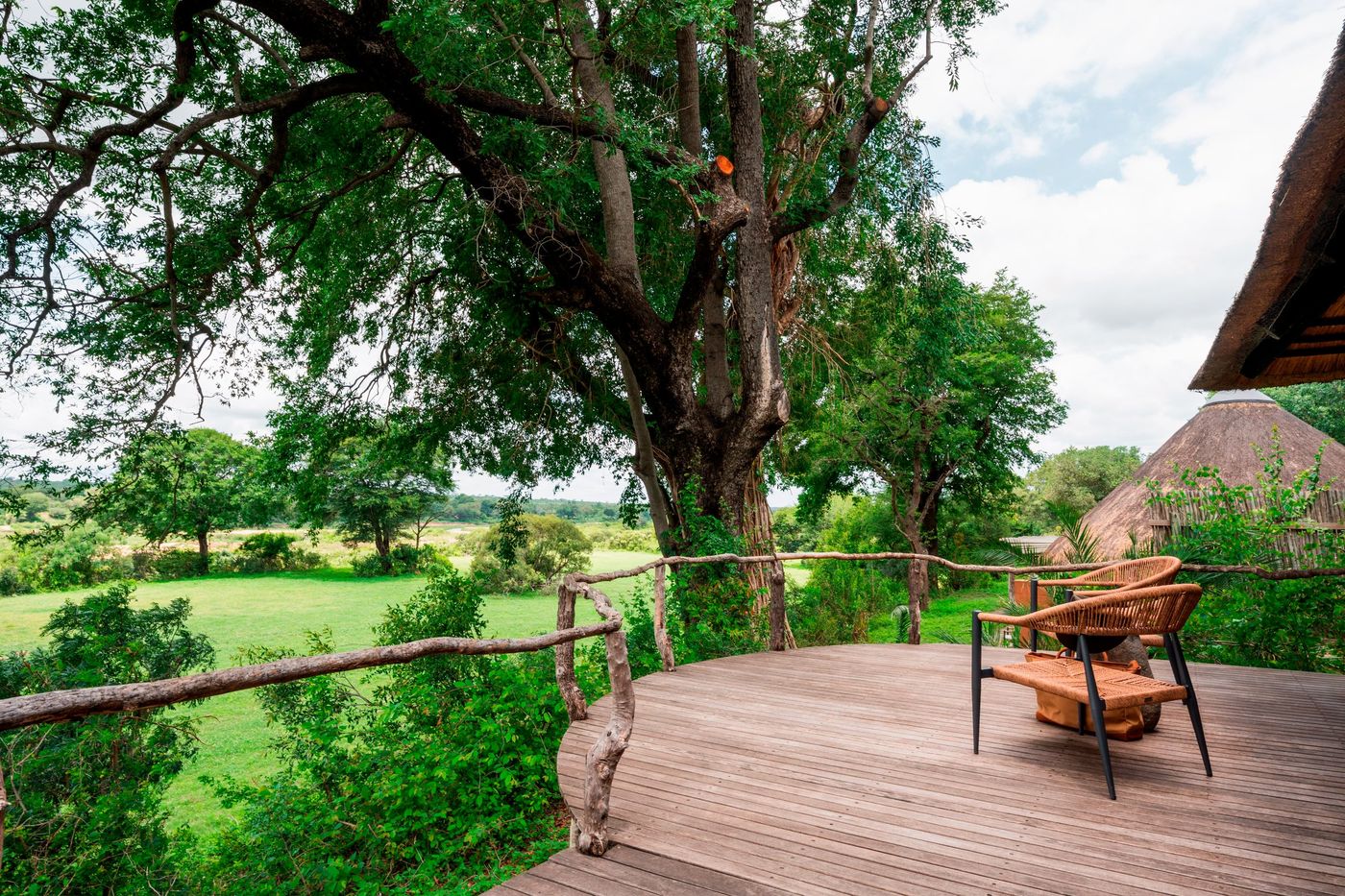
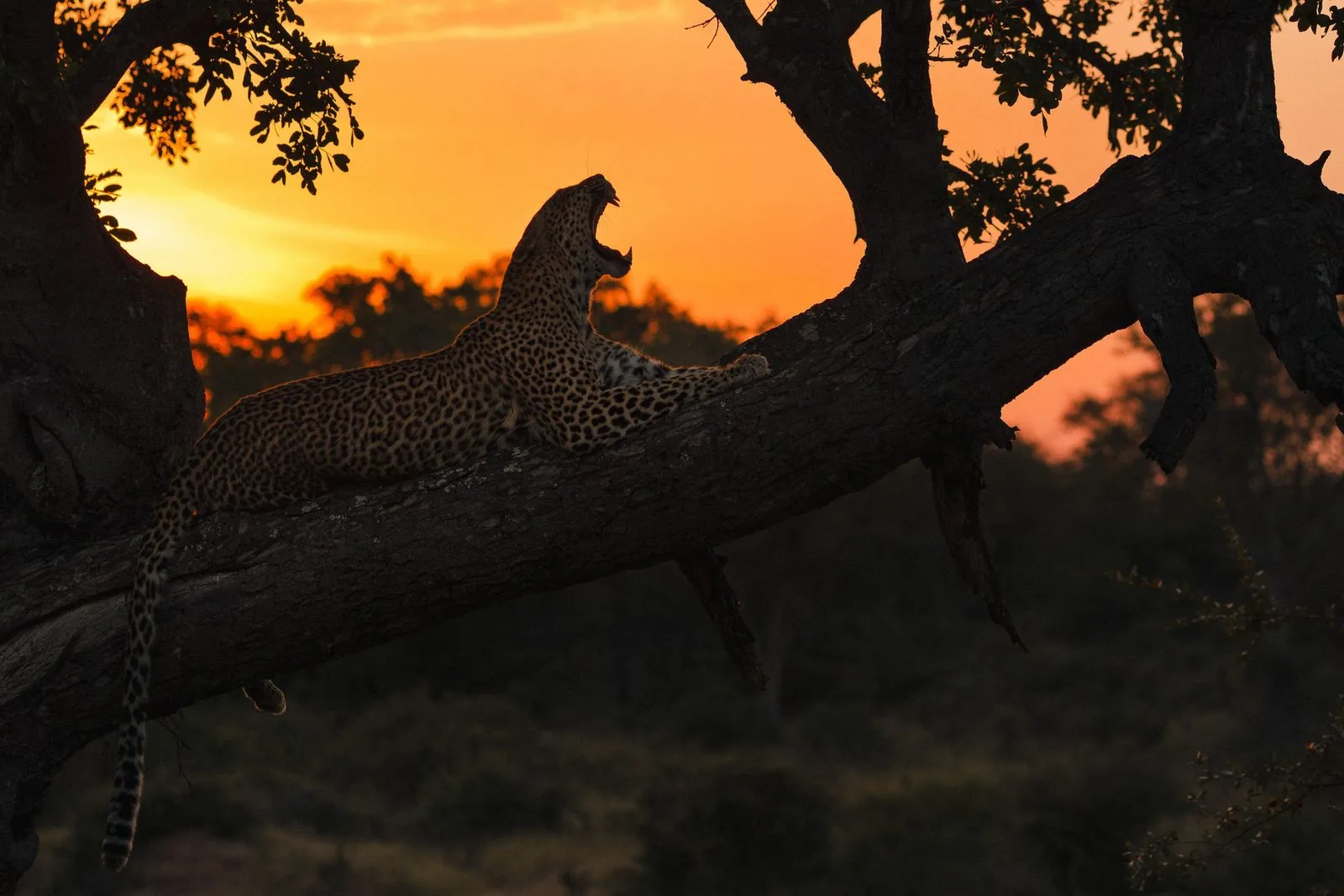
One of the oldest safari camps in the country, on the banks of the Sand River. MalaMala was one of Africa’s first photographic safari destinations, and its 33,000 acres run straight into the Kruger with no fence between.
Expedition 01 · South Africa · 8 nights · Photographic
From the leopards of the Sand River to the black-maned lions of the southern Kalahari. A photographic expedition for three or four guests, with a FAR GROUND specialist guide throughout.
8 nights · 9 days
MalaMala → !Khamab
3–4 guests
Private, at both reserves
Mentoring and editing
May to October
The expedition
This expedition crosses South Africa from east to west, from green riverine bush to red Kalahari sand.
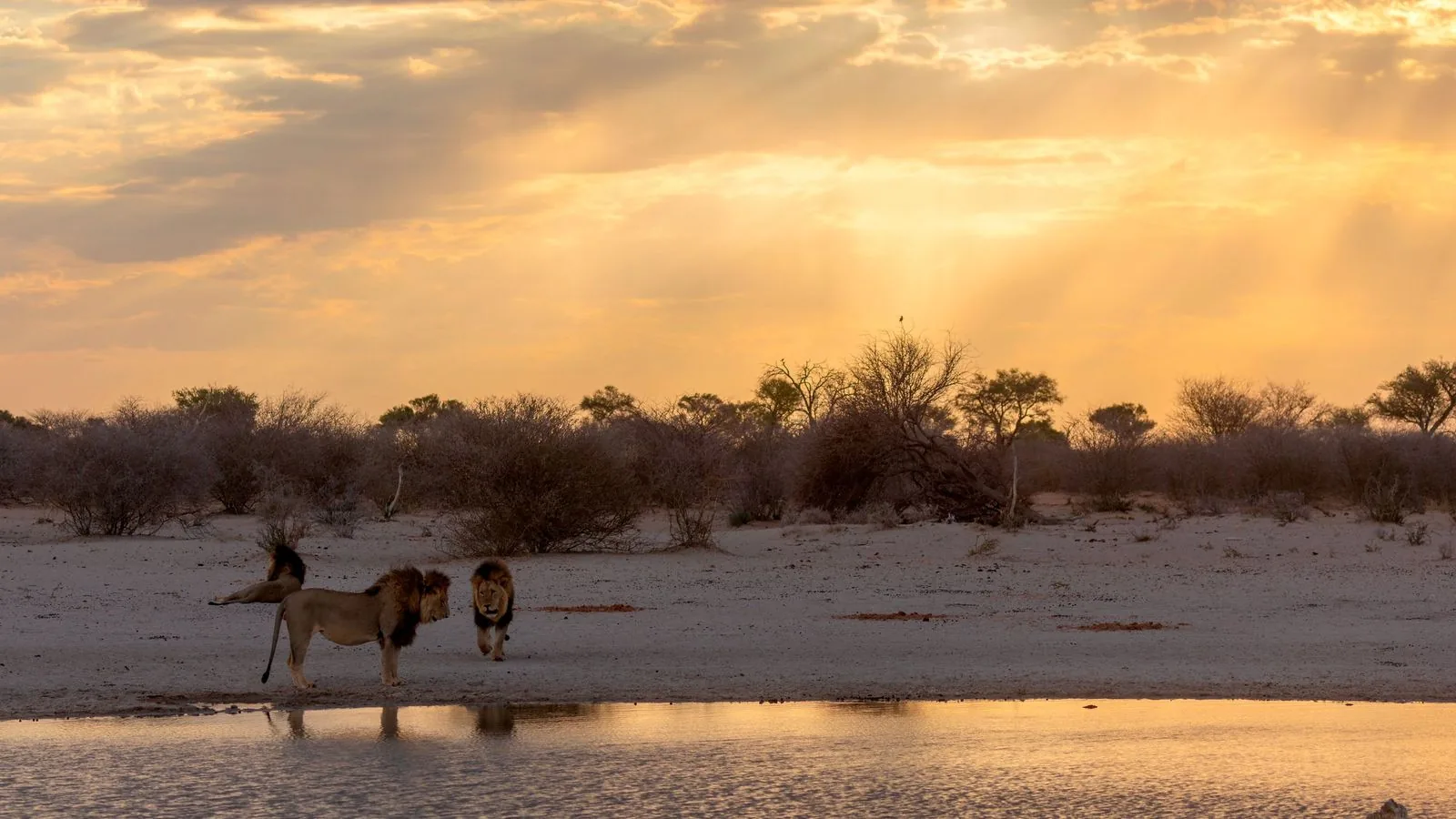
You begin at MalaMala, on the Sand River. Leopards cross the riverbed at first light, and the reserve’s low vehicle numbers give you long, quiet time with each sighting. You finish about 500 miles west at !Khamab, where fossil pans catch the low sun and black-maned lions walk out of the heat to drink.
You spend four nights in each place. You won’t rush between camps or queue at a sighting, and your FAR GROUND specialist guide stays with you from the first conversation to the flight home.
33,000 acres
MalaMala covers 13,500 hectares, with 12 miles of unfenced boundary with the Kruger.
220,000+ acres
!Khamab covers more than 90,000 hectares, one of the largest private reserves in South Africa.
1 vehicle
Private, in each reserve, and yours for every drive.
The route
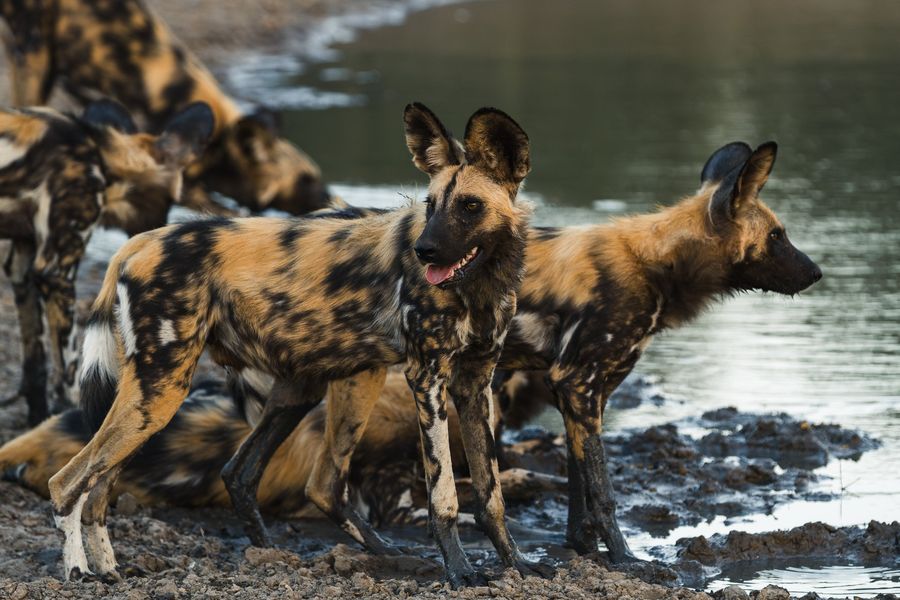
Riverine woodland on the Sand River, with no fence between it and the Kruger. Leopard, lion, elephant, buffalo and, with luck, wild dog.
You fly from the lowveld to the edge of the Kalahari, and the land below turns from green to gold to red.
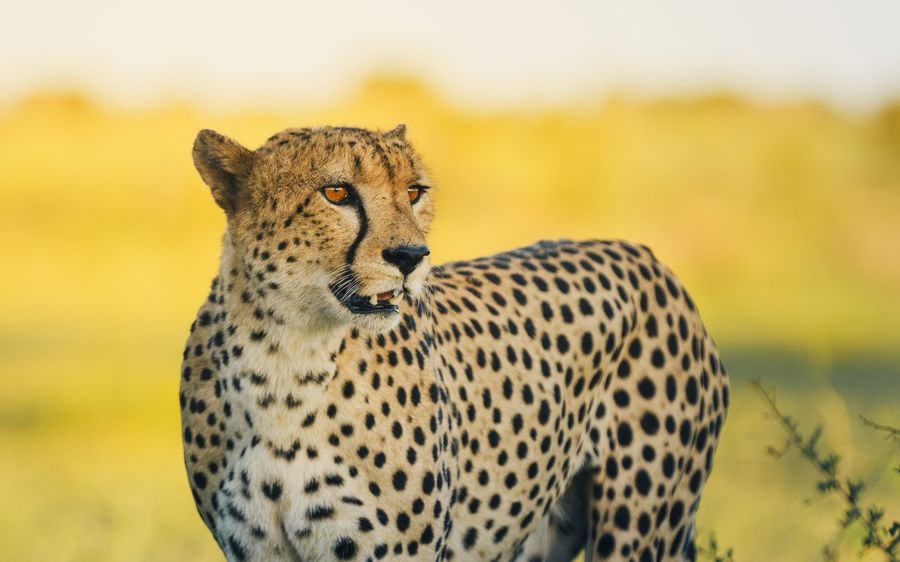
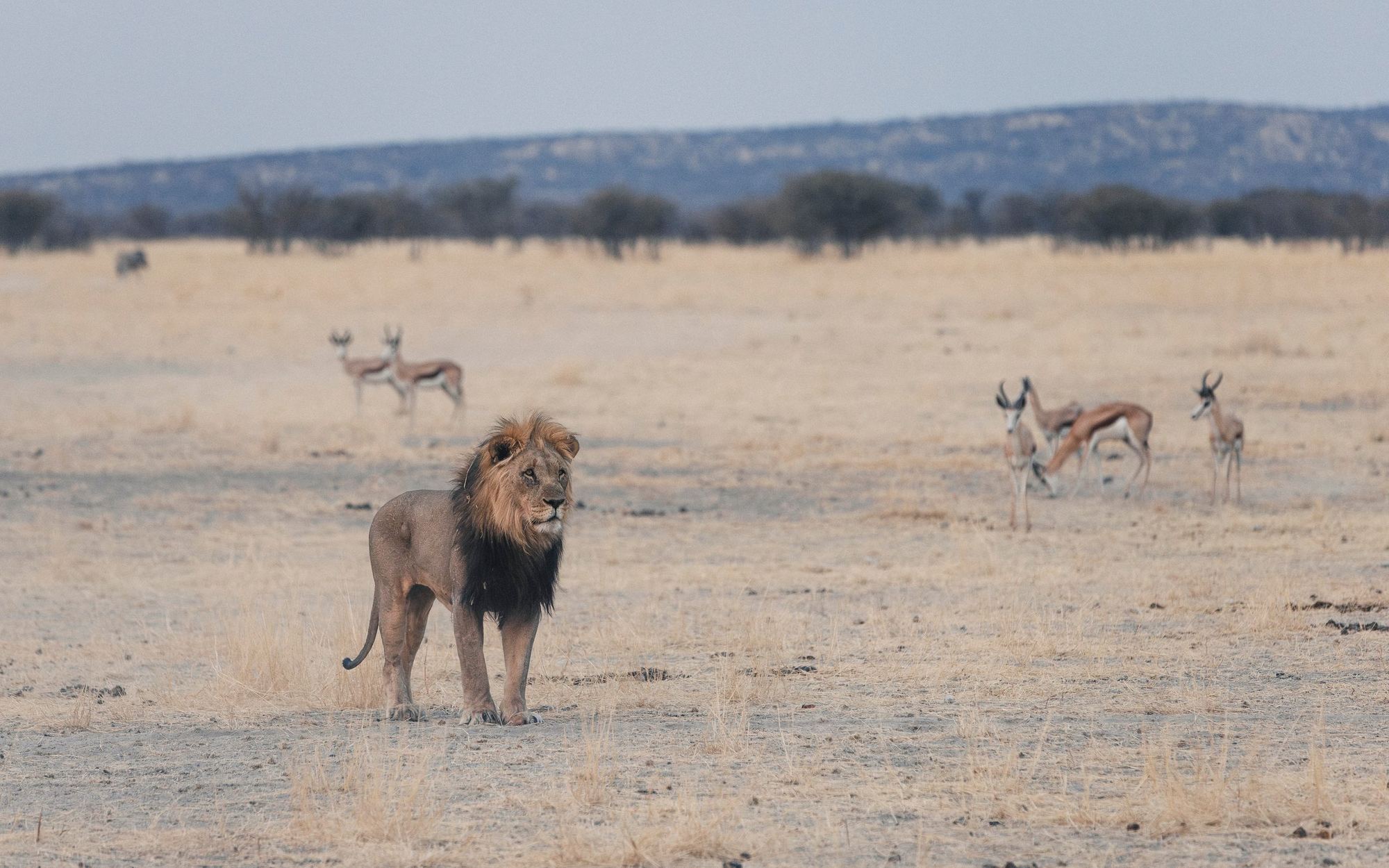
Grassland, camelthorn and fossil pans near the Botswana border. Black-maned lion, cheetah, brown hyena, meerkat and gemsbok.
The journey
Nights 1–4 · MalaMala Camp · Sabi Sand
A short flight lands on MalaMala’s own airstrip. You have lunch above the Sand River, then a first afternoon drive while your FAR GROUND specialist guide briefs your local lodge-based guide on who you are and what you hope to photograph.
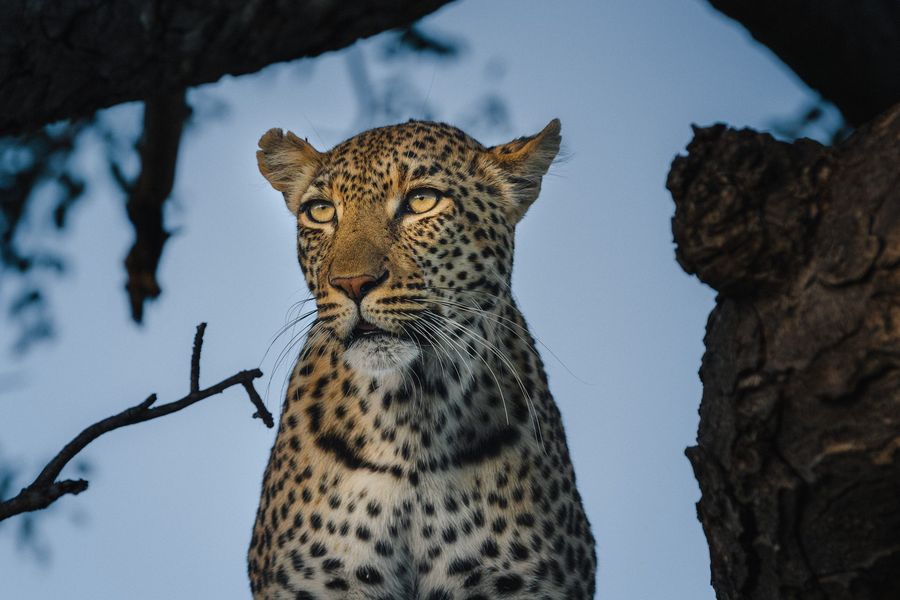
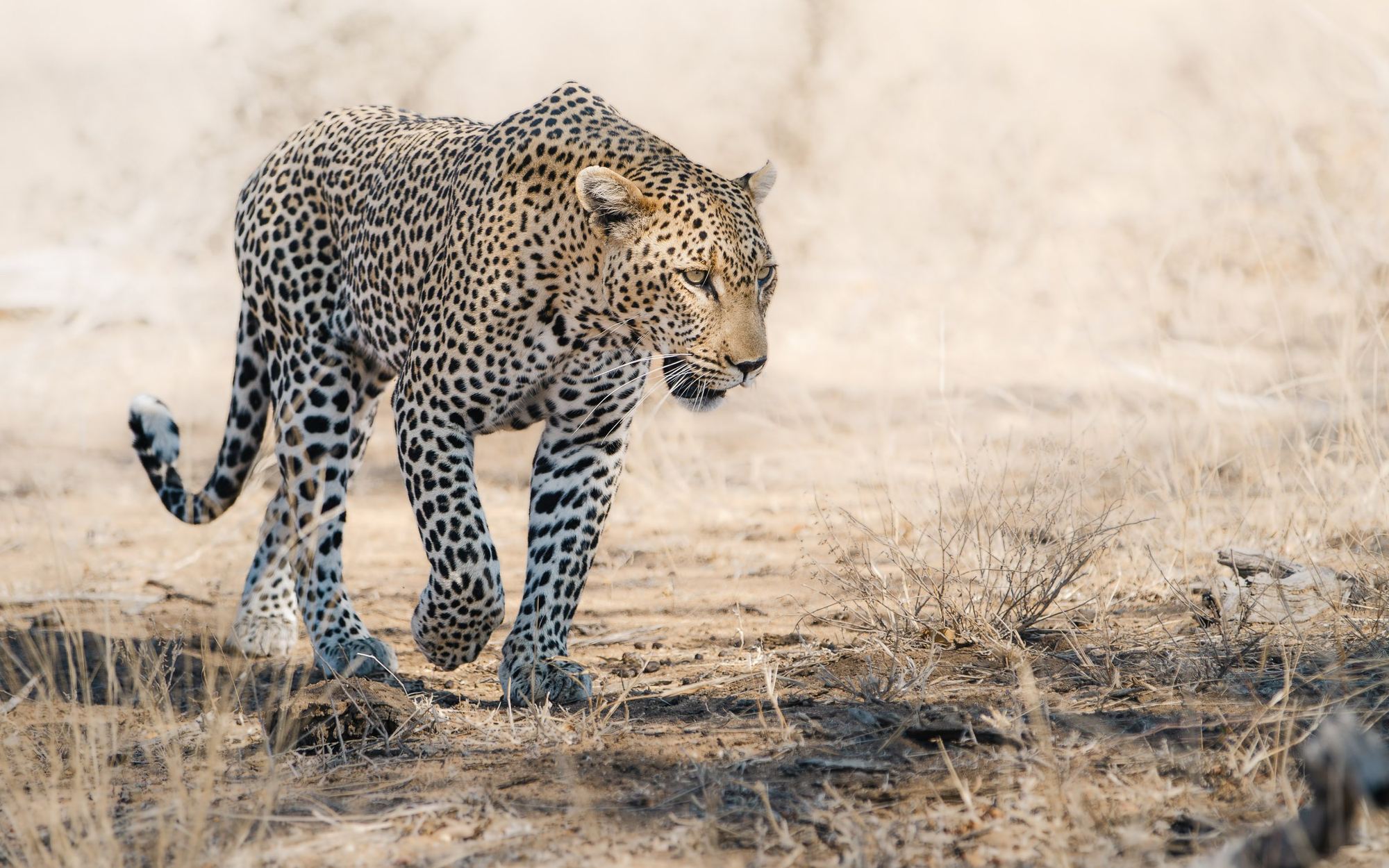
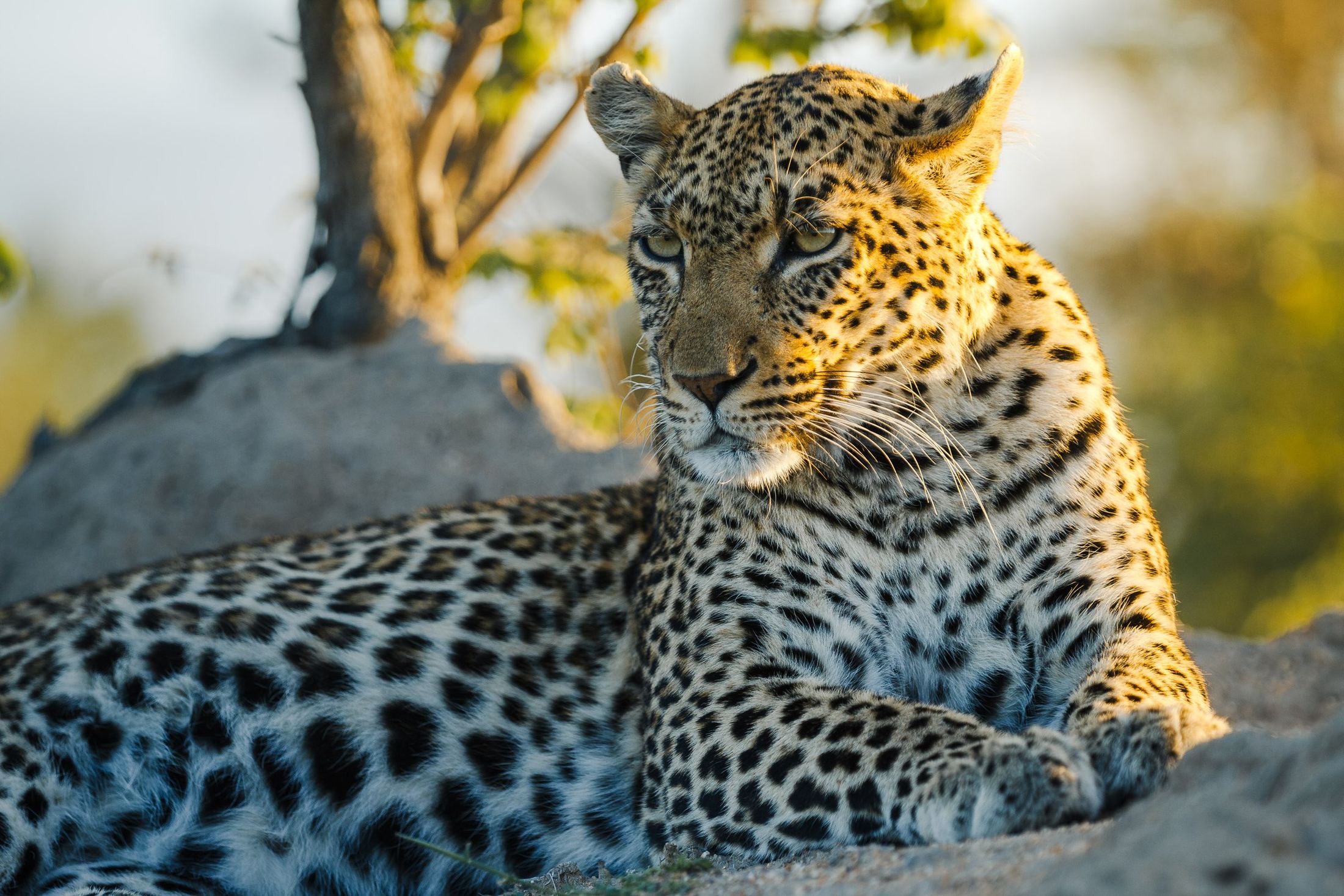
You head out before sunrise, coffee in hand. Leopards hunt, rest and cross along the banks of the Sand River. At midday you edit with your guide: what worked, what the light was doing, what to try this afternoon.
With your own vehicle, the day follows your interests. If a leopard is resting in a marula, you can choose to wait for her to wake. After dark, the spotlight opens up the night shift.
Your last full day in the lowveld follows whatever the first three have shown you. Stay out from dawn to dusk with breakfast in the bush, or go back to a sighting worth a second look.
A day at MalaMala
Coffee and rusks by the fire
Morning drive, back for a late breakfast
Editing with your guide, or a siesta
High tea, then out until after dark
Dinner in the boma
A final dawn drive, then a private charter about 500 miles west. You reach Kanako in time for sundowners on the edge of the pan.
Nights 5–8 · Kanako Expedition Camp · !Khamab
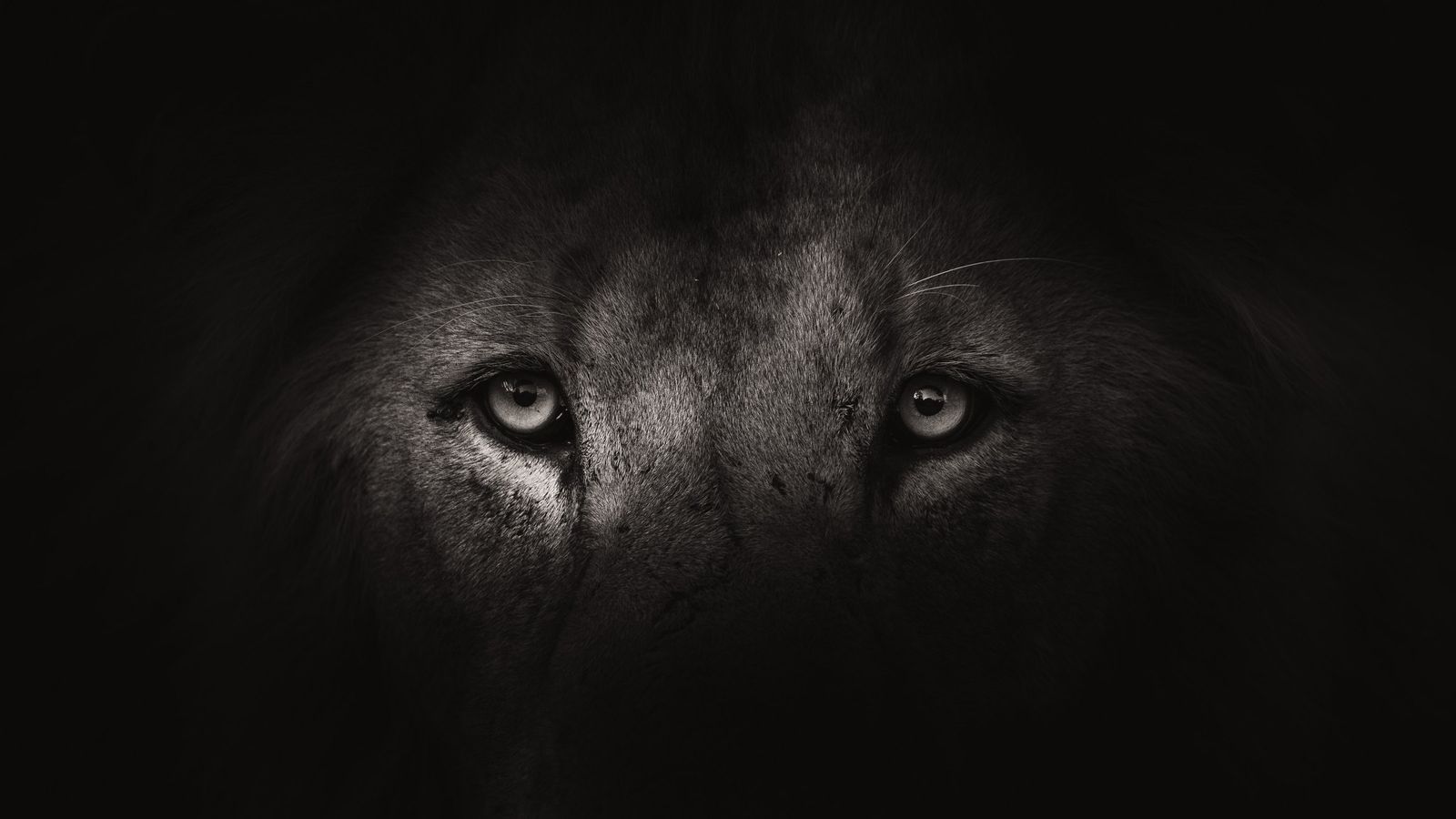
The calcrete pans come alive mid-morning and late afternoon, when dust and low light turn each arrival at the water into a scene. This is the country of the black-maned Kalahari lion.
Meerkats at their burrows, bat-eared foxes in the grass, a brown hyena at the hide in first light. !Khamab takes its name from the Nama word for the Cape fox. After dark, the Kalahari sky is made for long exposures.
A last full day to go back to whatever moved you most. Choose another session in the hide, a full day on the pans with lunch under a camelthorn, or one more night under the stars. Farewell dinner in the boma.
A last dawn on the pan, then a private charter to Johannesburg for your flights home, with a week of images you edited along the way.
There is timeout here.
Give the Kalahari four nights and you stop seeing empty country.
Where you’ll stay
One of the oldest safari camps in the country, on the banks of the Sand River. MalaMala was one of Africa’s first photographic safari destinations, and its 33,000 acres run straight into the Kruger with no fence between.
Tented suites set well apart on the edge of Sebodu Pan, each with its own deck and wide views across the Kalahari. The camp opened in 2025, runs off-grid, and has a photographic hide of its own.
In front of the lens
Wildlife is wild. We plan for the best light and the best odds, and we don’t promise sightings.
Photography
Photography shapes how this expedition runs: the pace, the light, the decision to wait. It never replaces the safari itself.
Companions who would rather watch are just as welcome.
Your FAR GROUND specialist guide
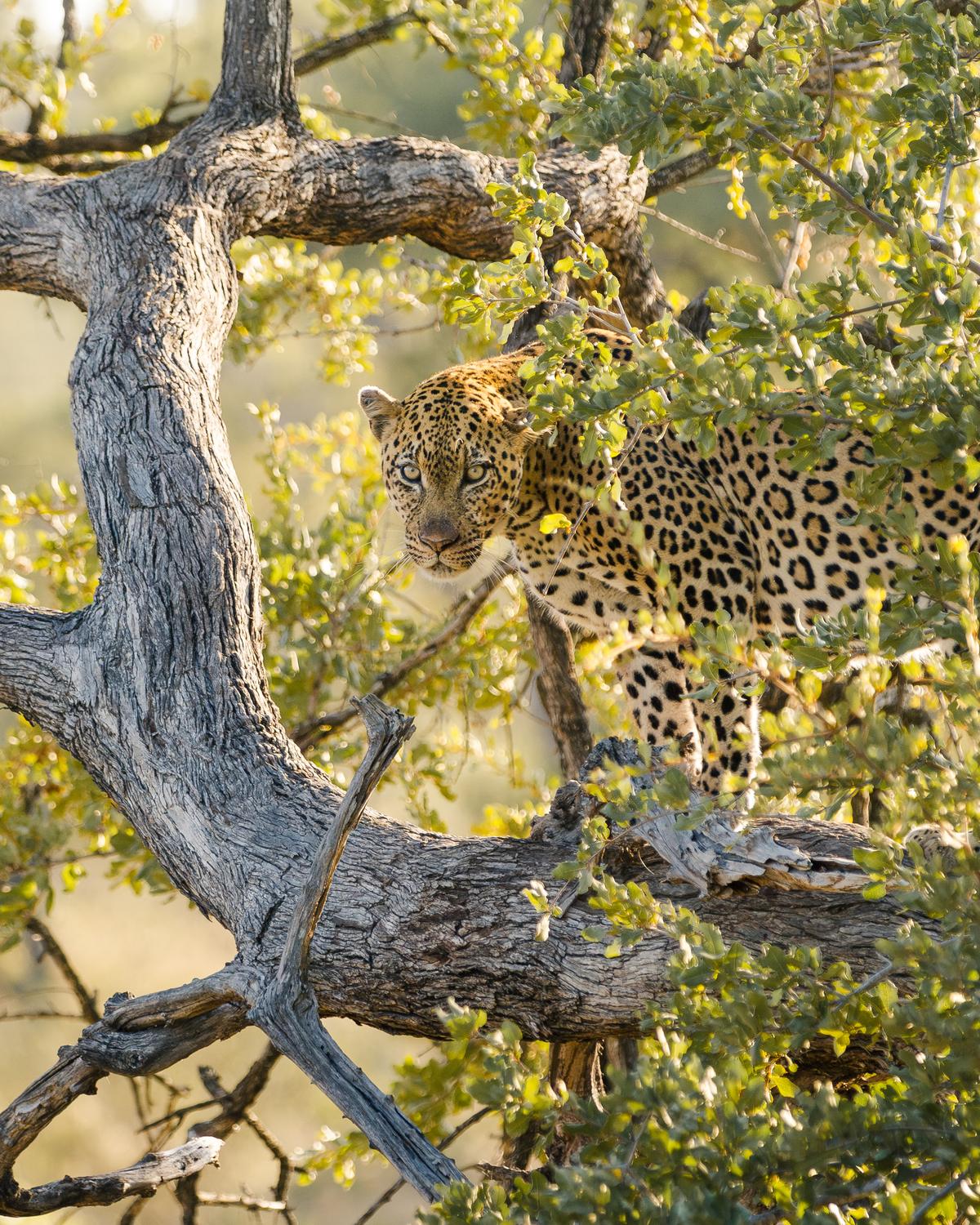
Your FAR GROUND specialist guide travels with you from the first conversation to the flight home, as host and photographic mentor. Local lodge-based guides, licensed in each reserve, drive and track. Your guide makes sure the time works for you, and knows when a sighting deserves another hour.
“A photographic guide should never lose sight of the actual safari experience itself.”
The detail
Where you stay
In the field
Your guide and your photography
Getting around
Fees and cover
Shown for illustration. Your proposal confirms every inclusion in writing.
Light aircraft take soft bags only, with a strict weight limit that includes camera gear. You’ll get the details with your itinerary.
Winter mornings are cold on an open vehicle, and Kalahari nights can drop below freezing. Bring layers, a warm hat and gloves.
MalaMala lies in a low-risk malaria area and !Khamab is malaria-free. Talk to your doctor before you travel.
Booking
Join one of our set departures, or book all four places for your own party on the dates that suit you. Tell us when you would like to travel and we will come back to you with a live-priced itinerary.
US$ XX,XXXper person sharing, four guests
Questions
Something else on your mind? Ask us directly.
Begin a conversationNo. Some guests arrive with two camera bodies and a 600mm lens, others with a phone. Your guide works with each person at their level, and companions who would rather watch are just as welcome.
A place takes time to read. You spend the first days learning the territory and the animals’ routines. By the third and fourth, you and your guide know where to wait. Fewer moves also give you more time on drives and less time packing.
By private light aircraft on day five, about 500 miles west, landing at the reserve’s own airstrip in time for an afternoon on the pans.
Yes. Both connect through Johannesburg, so we can add a few nights before or after the expedition. Mention it when you get in touch and we will build it into your proposal.
Field notes